What to know about access problems for Muswell Hill gardeners
Access can make or break a garden job. In Muswell Hill, where homes often come with narrow side passages, steep steps, awkward rear entrances, shared walkways, tight parking, and the odd low gate that seems determined to stay that way, access problems are a very real part of gardening work. If you are trying to plan maintenance, hedge trimming, garden clearance, or a bigger landscaping project, it helps to know what access issues mean in practice and how to deal with them before the team arrives.
This guide breaks down the common problems, what they change on site, how professionals usually handle them, and the small preparations that can save time, stress, and unexpected extra effort. The short version? Good access planning keeps everyone safer, keeps the job moving, and usually gives you a better result. Sounds simple. Sometimes it is. Sometimes it really isn't.
Table of Contents
- Why access problems matter in Muswell Hill
- How access problems affect garden work
- Key benefits of planning access properly
- Who needs to think about access
- Step-by-step guidance
- Expert tips for better results
- Common mistakes to avoid
- Tools, resources and recommendations
- Law, compliance, standards and best practice
- Options and comparison table
- Case study or real-world example
- Practical checklist
- Conclusion
- Frequently asked questions
Why access problems for Muswell Hill gardeners matter
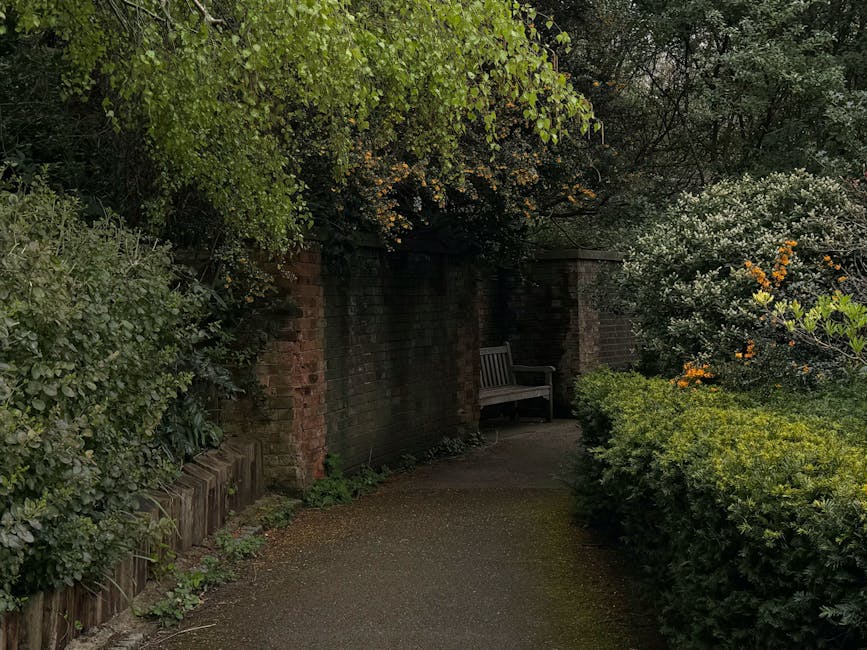
Access affects almost every part of outdoor work: how tools get in, where waste goes, how long a task takes, and whether the team can work safely without damaging plants, fencing, patios, or the property itself. In a place like Muswell Hill, that matters even more because many gardens are set behind houses, down slopes, or through narrow passageways that were never designed with modern equipment in mind.
That might sound like a small thing, but on site it changes the whole rhythm of the job. A mower that cannot fit through a side gate is no longer a quick mow. A pile of cuttings that cannot be wheeled out in one go becomes a labour-heavy hand-carry job. A tree pruning task with no decent loading point may need more time, more careful planning, and possibly a different method altogether.
There is also the human side. Narrow access increases the chance of bumps, slips, and strained lifting. If the route to the garden crosses a neighbour's driveway, shared hallway, or rented communal space, then courtesy and communication become part of the work, not just a nice extra. To be fair, that is true for most garden work in London, but Muswell Hill has plenty of properties where the logistics are half the battle.
For homeowners, access issues matter because they influence cost, timing, and expectations. For gardeners, they matter because they shape the method. And for the person paying for the work, they matter because a smooth quote and a smooth visit usually start with honest information about how the garden is reached.
Expert summary: In garden work, access is not just about getting through a gate. It affects safety, efficiency, waste removal, equipment choice, and the final cost. If the route is awkward, the job should be planned for that reality, not guessed at.
How access problems for Muswell Hill gardeners work
Access problems usually show up in one of four ways: the route into the garden is too narrow, too steep, too shared, or too restricted for the equipment and materials needed. A gardener may be able to enter the space physically, but still not be able to bring in a mower, chipper, wheelbarrow, decking materials, or clearance waste safely and efficiently.
In practice, the work starts before the first cut. A gardener will often look at the route, ask about gate widths, check whether there are steps or slopes, and try to understand where waste bags can be staged. If the garden sits behind a terraced home, the team might need to use a back alley, a side passage, or a front path. Sometimes the route is fine for hand tools but not for bulkier kit. Sometimes it is the reverse. A lot depends on the task.
Here is a simple way to think about it:
- Routine maintenance may need only basic foot access, hand tools, and a clear path for waste bags.
- Lawn mowing often depends on whether the mower can pass through gates or only be carried in.
- Hedge trimming can be manageable with hand tools, but cuttings still need to come out somehow.
- Garden clearance is often the most access-sensitive because waste volume is higher.
- Landscaping and decking may require materials, machinery, or multiple deliveries, which raises the stakes.
Access problems also affect sequencing. If the only route in goes through the house or a shared hall, the work may need extra protection, more tidying, or a different schedule. If the garden is split-level or down a steep set of steps, the team may carry smaller loads and make more trips. Slightly slower, yes. But it is often the safer choice.
One thing people sometimes miss: access isn't only about the worker. It is about the whole chain of the job. Can tools be stored somewhere safe? Can waste be moved without blocking the path? Can materials be unloaded without causing a fuss for neighbours? Those details sound minor until you are standing in a narrow passage with a pile of branches and nowhere tidy to put them.
Key benefits and practical advantages
Planning access properly gives you more than just convenience. It can improve the whole experience, from quote accuracy to the final finish. A few clear benefits stand out.
- More accurate pricing - If the gardener knows about limited access, the estimate is more likely to reflect the real effort involved.
- Better time planning - Awkward access often adds time. Knowing that in advance avoids surprises.
- Reduced risk of damage - Tight routes can scratch paintwork, dent fences, or trample beds if not handled carefully.
- Safer working conditions - Slopes, steps, and narrow entries raise the risk of trips and manual handling issues.
- Smoother communication - Everyone knows what to expect, which usually means fewer awkward phone calls on the day.
- Better results on larger jobs - Clearance, landscaping, and tree work especially benefit from proper access planning.
There is also a quieter benefit: less stress. When access is discussed early, the day tends to feel calmer. No one is trying to improvise with a wheelbarrow that will not turn the corner, and nobody has to make snap decisions while carrying wet cuttings through a narrow path in drizzle. Not glamorous, but very real.
Who this is for and when it makes sense
Pretty much anyone arranging outdoor work in Muswell Hill should think about access, but some people need to be especially alert.
- Homeowners in terraced or semi-detached properties with side gates, rear lanes, or internal entry routes.
- Landlords and managing agents who need work done in shared or rented spaces.
- People booking one-off clearances after a long period of garden neglect.
- Clients planning larger changes such as new borders, decking, paths, or full landscaping.
- Older residents or busy families who want work done efficiently with minimal disruption.
- Anyone with a sloped garden, basement-level garden, or stepped access.
It makes sense to think about access whenever the task is more than a very small tidy-up. Even for regular maintenance, a gate too narrow for equipment can change the job enough to matter. If the team needs to work through a neighbour-accessed route, you will usually want to mention that early as well. Better a slightly longer phone call than a rushed job later.
If you are comparing services, it can help to look at the provider's wider approach too. Pages like services overview, garden maintenance, and garden clearance can give you a sense of how different types of work are handled. For larger projects, landscaping and landscape gardening deserve special attention because access shapes material handling from day one.
Step-by-step guidance
If you want the smoothest outcome, use a simple access-planning process before booking the work.
- Walk the route from the pavement to the work area. Notice narrow gates, steps, low walls, slippery surfaces, overhanging branches, and any awkward bends.
- Measure the tight spots. Gate width, passage width, and step height matter more than most people think. A few centimetres can make a big difference.
- Check where waste will go. Can green waste be bagged and carried out easily, or will it need repeated trips? Is there a place to stack it without blocking access?
- Think about equipment. A light hedge trimmer is very different from a mower, chipper, or barrow full of soil.
- Look at the ground conditions. Wet slabs, muddy slopes, and uneven paving can slow everything down and create hazards.
- Flag shared access early. If the team must use a communal hallway, alley, or neighbour-facing route, mention it before the visit.
- Share photos if possible. A few clear pictures of the route and the garden entrance can save a lot of back-and-forth.
- Ask how the job will be approached. A good gardener will explain whether the work can be done by hand, needs smaller equipment, or should be split into stages.
A practical little tip: take photos in daylight, not at dusk. Dark corners and shadowy side paths can make a route look much easier or much worse than it really is. And yes, everyone forgets the one step with the chipped edge until someone nearly catches it.
What to tell the gardener before arrival
- Whether there is off-street parking nearby
- If the route includes stairs, slopes, or narrow side access
- Whether gates lock automatically or need a key/code
- If there are pets, children, or vulnerable residents on site
- Whether neighbours need to be informed about shared access
- Any areas that must be protected, such as paving, ponds, or fresh planting
That small bit of preparation usually pays for itself. It keeps the visit focused on the job instead of the logistics.
Expert tips for better results
In our experience, the best access plans are simple, honest, and slightly over-prepared. Nothing fancy. Just enough thought to prevent the usual headaches.
1. Separate access issues from garden condition. A garden can be overgrown and still have decent access, or it can be tidy but frustrating to reach. Do not mix the two up. They affect the job differently.
2. Be realistic about waste volumes. A few bags of hedge cuttings are one thing. A full clearance after years of growth is another. If in doubt, say more, not less.
3. Plan around wet weather. London weather can change quickly. A passage that feels manageable in dry conditions may become slippery by lunchtime. The smell of damp soil and cut grass is nice; the slip risk, less so.
4. Protect the route before the work starts. If the team is going through a home or shared corridor, ask what coverings or precautions will be used.
5. Ask about staged work for bigger projects. For landscaping or decking, it may be better to split deliveries and heavy work into phases. Slightly slower, but calmer.
6. Keep access clear on the day. Bins, bikes, pushchairs, delivery boxes, and garden furniture all have a habit of appearing right where you need them. Funny, that.
7. Treat accessibility as part of professionalism. Good access planning is not a favour. It is basic good service.
If you're comparing providers, it can also be useful to review their health and safety policy, insurance and safety information, and pricing and quotes guidance. Those pages often tell you a lot about how seriously the business takes planning and risk.
Common mistakes to avoid
Most access problems are manageable. The trouble starts when they are left vague.
- Assuming the route is fine because people use it every day. Daily foot traffic is not the same as carrying tools or waste through it.
- Forgetting about the return journey. Getting in is only half the story. Waste has to come out, often in larger volume.
- Not measuring gates or steps. Eyeballing it can lead to surprises.
- Leaving parking unmentioned. If the team cannot park reasonably close, time and labour costs can rise.
- Hiding difficult access details. It may seem easier at the quote stage, but it usually causes more friction later.
- Ignoring neighbours or shared users. A quick heads-up can avoid unnecessary tension.
- Booking a complex job as if it were routine maintenance. This is especially common with clearance and landscaping.
One small honest note: people often worry they are being awkward by mentioning access issues. You're not. You're helping the work go right. That's the whole point.
Tools, resources and recommendations
You do not need specialist gear to prepare for a garden visit, but a few simple tools can help you assess access properly.
- Measuring tape for gates, routes, and step widths
- Phone camera to capture the access route, narrow points, and any obstacles
- Notebook or notes app for dimensions and practical details
- Outdoor gloves and sturdy shoes if you need to clear a small path before the visit
- Temporary door or floor protection where shared access needs care
For service-specific planning, the following pages can be useful starting points: lawn mowing for regular maintenance access, hedge trimming for cutting and waste movement, and tree lopping and removal for jobs where larger debris, safety controls, and working space become more important.
If the work involves removing old planting, rubble, or accumulated waste, it is worth asking how disposal is handled and whether the route will support repeated trips. Recycling and responsible disposal are also part of the picture, which is why recycling and sustainability can be a helpful reference if you want the job done with less waste sent the wrong way.
Law, compliance, standards and best practice
Access problems are not just a convenience issue. They connect to safety, duty of care, and how a job is carried out responsibly. In the UK, garden and landscaping work should be approached with sensible risk assessment, safe manual handling, and care around shared or public-facing spaces. Exact legal obligations can vary by the type of property, the work involved, and the working arrangement, so it is wise to treat compliance as a practical matter rather than a box-ticking exercise.
In plain English, good practice usually means:
- Knowing the access route before work starts
- Avoiding unnecessary damage to property or shared areas
- Using safe lifting and carrying methods
- Keeping paths reasonably clear while work is underway
- Managing tools and materials carefully in confined spaces
- Communicating clearly with clients and neighbours where needed
For some projects, especially larger landscaping or clearance jobs, the best practice standard is not just about safety. It is about planning a method that suits the access available. If a job is being squeezed through a route that is too narrow, there is usually a better way to do it. It may take longer. It may need smaller loads. But it should not feel improvised.
If you want a business to take this seriously, look for clear information on accessibility, complaints procedure, and terms and conditions. Those pages often reflect how transparently a company handles expectations, limits, and customer care.
Options, methods, or comparison table
There is no single best method for every garden. The right approach depends on the access route, the size of the job, and how much material needs moving.
| Access method | Best for | Advantages | Trade-offs |
|---|---|---|---|
| Direct gate access with hand tools | Routine maintenance, light pruning, small tidy-ups | Fast, simple, usually least disruptive | Not suitable for larger kit or bulk waste |
| Shared or side-passsage access | Most domestic garden visits in terraced streets | Practical if protected properly | Needs care, communication, and sometimes more time |
| Carrying materials through the house | Limited rear access or very enclosed gardens | Can make difficult sites workable | Higher risk of mess or damage without good protection |
| Staged delivery and removal | Landscaping, decking, large clearances | Helps control clutter and safety | More planning and usually longer timelines |
| Small-load manual removal | Very narrow access, steps, or fragile routes | Reduces strain on the route and property | Time-consuming and labour-heavy |
The right choice is rarely the one that sounds quickest on paper. It is the one that fits the actual site. Little distinction, big difference.
Case study or real-world example
Imagine a Muswell Hill terrace with a rear garden hidden behind a narrow side passage and two shallow steps near the back gate. The client wants hedge trimming, a small bed clearance, and removal of several bags of cuttings. On paper, it looks like a straightforward morning job.
But the passage is only just wide enough for a person carrying a bag of waste, and the gate opens awkwardly against a downpipe. The hedge cuttings are light, but voluminous. A standard wheeled bin would not fit comfortably, and the route crosses a clean hallway in the property.
A sensible approach would be to:
- Use hand tools and smaller cut sections
- Lay temporary protection along the indoor route
- Move waste out in smaller, manageable loads
- Keep the passage clear of stored materials
- Allow a bit more time than a simple maintenance visit
Now compare that with a bigger job: an overgrown garden clearance after years of build-up. Same access route, but now there are brambles, damp clippings, broken pots, and old timber to remove. Suddenly the same passage becomes a key constraint. The job might still be completely doable, but it needs a better plan, and probably a more realistic schedule.
That is the real lesson. Access is not a side note. It changes the work.
Practical checklist
Before booking garden work, run through this quick checklist. It saves a lot of back-and-forth.
- Have I explained how the garden is reached?
- Are there narrow gates, steps, slopes, or shared routes?
- Do I know whether tools or materials can fit through safely?
- Have I mentioned any parking limits or loading restrictions?
- Is there enough room to move waste out without blocking the route?
- Do I need to warn neighbours or a managing agent?
- Have I shared photos or measurements where helpful?
- Are there any fragile surfaces, fresh paint, or newly planted areas to protect?
- Is this a routine visit, or is it more like clearance or landscaping?
- Have I checked the provider's safety and insurance information?
If you can tick most of those off, you are already in good shape.
Conclusion
Access problems for Muswell Hill gardeners are usually manageable, but only if they are discussed early and handled with a bit of care. Narrow side paths, stepped entrances, shared hallways, awkward parking, and limited waste routes can all affect time, pricing, safety, and the final finish. That is true whether you are booking a quick tidy-up or a more involved landscaping project.
The real win is simple: clear information leads to calmer work, fewer surprises, and a better outcome for everyone involved. If you are preparing for a visit, walk the route, take a few photos, and say exactly what the access is like. Not perfect, just accurate. That is usually enough.
If you want to compare services or plan the next step, a quick look at about us, services overview, and pricing and quotes can help you understand how the work is approached. And if the route is especially tight, that is not a deal-breaker. It just means the job needs the right method.
Get a free quote today and see how much you can save.
Sometimes the smallest bit of planning makes the biggest difference. Honestly, that is half the battle in a London garden.
Frequently Asked Questions
What counts as an access problem for garden work?
Anything that makes it harder to get tools, people, or waste in and out of the garden counts as an access problem. That includes narrow gates, steep steps, shared entrances, long carrying distances, and slippery or uneven paths.
Can gardeners still work if the side gate is too narrow for equipment?
Often yes, but the job may need to be done with smaller tools, more hand carrying, or a different approach altogether. The work is usually still possible; it just takes more planning.
Do access issues make garden quotes more expensive?
They can. If the access route adds labour time, limits equipment, or makes waste removal harder, that usually affects pricing. The best quotes are based on the actual site rather than a best-case assumption.
Should I measure the gate and passage myself?
Yes, if you can. Even rough measurements are useful. A few centimetres can decide whether a mower, barrow, or larger material load will fit comfortably.
What should I tell a gardener before the visit?
Tell them about gates, steps, slopes, shared routes, parking restrictions, pets, neighbour access, and any fragile areas that need protection. Photos help too, especially for awkward entrances.
Is it a problem if the garden can only be reached through the house?
Not always, but it does mean the route needs more care. Floors, hallways, and door frames may need protection, and the team may need to work more slowly to avoid mess or damage.
What kinds of jobs are most affected by access issues?
Garden clearance, landscaping, decking, and tree-related work are usually the most access-sensitive because they involve heavier materials, more waste, or bulkier equipment. Regular maintenance can be affected too, but often less dramatically.
How can I make access easier before the gardener arrives?
Clear bins, bikes, furniture, and loose items from the route. Unlock gates, make sure the path is visible, and remove anything that would force extra lifting or awkward manoeuvring.
Do access problems affect safety as well as cost?
Yes. Tight routes, steps, wet surfaces, and cramped working areas can increase the chance of slips, trips, and manual handling strain. Good planning helps reduce those risks.
What if I am not sure whether access is difficult enough to mention?
If you are unsure, mention it anyway. The provider can decide whether it matters. In practice, it is better to share too much detail than not enough.
Can access issues delay a garden clearance job?
Yes, especially if waste needs to be removed in smaller loads or through a longer route. That does not mean the job cannot be done, but it may need more time than first expected.
Where do services like maintenance, clearance, and landscaping fit into access planning?
Routine maintenance usually needs lighter access planning, while clearance and landscaping often need a much closer look at routes, loading points, and the amount of material moving through the property. It is all connected, really.