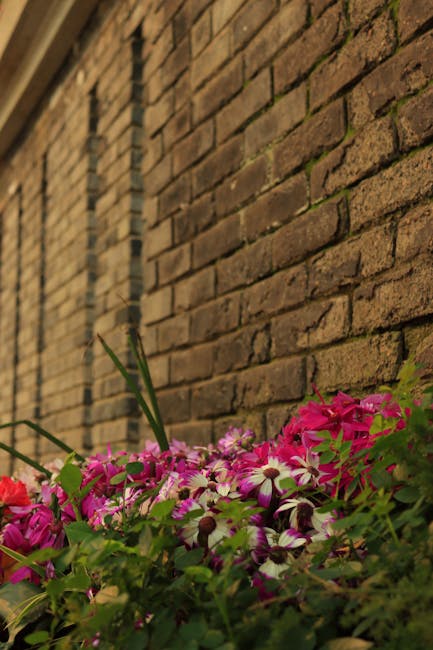
Alexandra Park garden maintenance tips for Muswell Hill homes
If you live near Alexandra Park, you already know the gardens around Muswell Hill can be a little bit of everything: mature trees, shaded corners, windy terraces, compact front plots, and back gardens that look calm from the kitchen window but hide a lot of seasonal work. The right Alexandra Park garden maintenance tips for Muswell Hill homes are not about doing more for the sake of it. They are about doing the right things, at the right time, so your garden stays healthy, tidy, and manageable without turning every weekend into a second job.
In this guide, we will look at what actually matters in a local garden, how maintenance works in practice, and how to keep on top of lawns, hedges, beds, trees, and hard landscaping without wasting effort. You will also find a practical checklist, a comparison table, and a realistic step-by-step approach you can use straight away. Nothing fluffy. Just the kind of guidance that helps when the clematis has gone wild and the lawn is looking a bit sorry for itself.
Table of Contents
- Why Alexandra Park garden maintenance tips for Muswell Hill homes Matters
- How Alexandra Park garden maintenance tips for Muswell Hill homes Works
- Key Benefits and Practical Advantages
- Who This Is For and When It Makes Sense
- Step-by-Step Guidance
- Expert Tips for Better Results
- Common Mistakes to Avoid
- Tools, Resources and Recommendations
- Law, Compliance, Standards, or Best Practice
- Options, Methods, or Comparison Table
- Case Study or Real-World Example
- Practical Checklist
- Conclusion
- Frequently Asked Questions
Why Alexandra Park garden maintenance tips for Muswell Hill homes Matters
Gardens in and around Alexandra Park face a few familiar pressures. There is shade from older trees, leaf fall in autumn, periodic wind exposure, and often a mix of formal and informal planting. A garden can look fine for a few weeks and then, seemingly overnight, the edges blur, the hedge flops outward, and the lawn starts to thin where it gets less light. That is just the reality of local outdoor spaces.
Maintenance matters because small problems in a London garden tend to compound. A bit of moss on a lawn becomes a patchy lawn. A hedge left to run on too long becomes difficult and awkward to cut back neatly. Soil that is not topped up after heavy rain turns compacted and tired. To be fair, the garden will usually tell you what it needs, but only if you look at it regularly rather than waiting until it is shouting.
For Muswell Hill homes, maintenance is also about presentation and value. Front gardens shape the first impression of a property. Rear gardens affect how much usable space you actually have. And if you are trying to create a calm, usable space for family life, entertaining, or simply a cup of tea outside in April sunlight, regular upkeep makes all the difference.
There is another reason too: a well-kept garden is easier to improve later. Once the basics are under control, you can plan better planting, better storage, and more thoughtful layout choices. That is where a service like garden maintenance can make life noticeably easier, especially if time is already stretched.
How Alexandra Park garden maintenance tips for Muswell Hill homes Works
Good garden maintenance is not one single task. It is a rhythm. In a practical sense, it means looking at each part of the garden and asking: what needs attention now, what can wait, and what should be left alone for the moment?
That rhythm usually includes five main layers:
- Surface care - mowing, edging, raking, clearing debris, and keeping paths safe and neat.
- Plant care - watering, feeding, deadheading, cutting back, staking, and replacing weak or failing plants.
- Structure care - hedge trimming, pruning, tree management, and keeping shapes under control.
- Soil care - mulching, composting, aeration, and improving drainage or fertility where needed.
- Space care - making sure the layout still works, especially if borders, fences, decking, or access routes are being crowded out.
In a garden near Alexandra Park, light levels often vary a lot across the plot. A sunny back corner can support different planting from a shady boundary under a mature tree. That means maintenance cannot be a one-size-fits-all routine. The lawn may need less frequent cutting in slower-growing, shaded areas. Beds may need leaf clearing rather than constant watering. And hedges can need more shaping than hard reduction, because the wrong cut in the wrong season can leave awkward gaps for months.
The best maintenance approach is part observation, part timing, and part restraint. Yes, restraint. Sometimes the smartest thing you can do is not hack everything back at once.
Key Benefits and Practical Advantages
When maintenance is consistent, the benefits are obvious pretty quickly. The garden feels more usable, easier to walk through, and less mentally heavy when you look out the window. That sounds small, but anyone who has stared at a tangled border on a wet Tuesday knows the feeling.
- Better curb appeal - a neat front garden makes the whole property feel cared for.
- Healthier growth - regular pruning, feeding, and clearing reduce stress on plants.
- Fewer emergency jobs - issues are caught earlier, before they become messy or costly.
- Safer movement - paths, steps, and borders are less likely to become slippery or obstructed.
- More usable space - tidy boundaries and clipped growth make gardens feel larger.
- Lower long-term effort - small, steady work beats one exhausting overhaul every six months.
There is also a planning benefit that gets missed a lot. Once your maintenance routine is stable, it becomes easier to think about upgrades like seating areas, planting schemes, or a more practical layout. If the existing structure needs attention first, you may want to look at landscaping support or even a more design-led landscape gardening approach before adding new features.
And yes, tidy gardens tend to be easier to enjoy. Not a surprise, really. But in practice, that is often the point.
Who This Is For and When It Makes Sense
These Alexandra Park garden maintenance tips for Muswell Hill homes are useful whether you are a hands-on gardener or someone who would rather spend Saturday doing anything else. Different households need different levels of support, and that is fine.
This guidance makes most sense if you are:
- a homeowner trying to keep a garden looking good without overcommitting time;
- a landlord or property manager wanting the outside space to stay presentable between tenancies;
- a busy family with a garden that gets used hard and then left alone for a week or two;
- someone with mature planting or trees that need careful, seasonal attention;
- a homeowner preparing to sell, rent out, or simply improve everyday kerb appeal.
It also makes sense after a period of neglect, builder disruption, or seasonal overgrowth. If a garden has drifted away from you a bit, the smartest first move is often not maintenance in the strict sense but clearance and reset work. That may involve garden clearance before regular upkeep can begin properly.
For some homes, the issue is not neglect at all. It is simply pace. Gardens near Alexandra Park can grow fast in spring and early summer, and then suddenly need more regular attention than people expected. That first warm weekend catches everyone out, every year.
Step-by-Step Guidance
Here is a sensible, practical way to manage maintenance through the year. You do not need to do everything at once. In fact, trying to do everything at once is usually how people burn out halfway through the hedge.
1. Start with a full walk-through
Walk the garden slowly and look at it as a whole. Check borders, lawn edges, fences, paths, hedges, trees, pots, drainage points, and any areas where plants are blocking light or access. Notice where water sits after rain, where leaves collect, and where growth is rubbing against surfaces.
2. Cut back what is blocking light, access, or airflow
Overgrown hedges and shrubs can make a garden feel smaller and gloomier than it really is. Light pruning opens things up. If a hedge has become too bulky or uneven, a more structured trim may be needed. In some cases, a dedicated hedge trimming service is the easiest way to reset the shape safely and cleanly.
3. Deal with the lawn properly
Lawns in shaded Muswell Hill gardens can be temperamental. Cut them a little higher in dry spells or where light is limited. Avoid scalping the grass because it weakens the turf and invites moss. If the lawn has been neglected, a careful mow, edge tidy, and weed check is usually better than trying to make it perfect in one go. Regular support from lawn mowing can keep the job steady rather than spiky.
4. Clear leaves, clippings, and dead material
Organic debris left to sit on beds or lawns can block light, hold moisture, and encourage rot. A quick clear-up after windy weather does more than make things look neat. It helps the garden breathe. This is one of those simple jobs that pays you back quickly.
5. Refresh borders and feeding routines
Check whether borders need mulch, compost, or better spacing. If plants are packed too tightly, they compete for water and can look tired. Replace failed annuals, divide congested perennials where appropriate, and top dress the soil if it looks thin or exhausted.
6. Inspect trees and larger woody growth carefully
Any tree overhang, deadwood, or significant branch interference should be treated with caution. Don't improvise with a ladder and hope for the best. If tree work is involved, it may need professional assessment, especially where branches affect neighbours, roofs, or access routes. For more substantial work, tree lopping and removal can be relevant, but it should always be approached with care and judgement.
7. Check hard landscaping and features
Decking, paving, steps, and retaining edges need cleaning and inspection too. Slippery surfaces, loose boards, or cracked joints can become a nuisance fast. If you have a timber seating area or terrace, routine upkeep around decking services may be part of the long-term picture, not just an add-on.
8. Decide what needs professional support
Some tasks are simple enough to handle yourself. Others need specialist tools, time, or safer handling. If you are dealing with heavy clearance, tall hedges, awkward trees, or a full seasonal reset, bringing in help can save both time and hassle.
Expert Tips for Better Results
Most garden maintenance problems come from timing, not effort. That is the thing people often miss. They work hard, but at the wrong moment, or in the wrong sequence.
- Prune with purpose. Before you cut, decide what you want the plant to do next season. A random trim often creates random results.
- Work from the edges in. Borders, paths, and boundaries frame the whole garden. If those are neglected, the rest feels unfinished.
- Keep an eye on shaded spots. Moss, damp leaf litter, and weak grass are common in shade-heavy gardens near mature trees.
- Use mulch strategically. It suppresses weeds, slows moisture loss, and makes beds look more settled. Nice job, really.
- Do little and often. A 20-minute weekly tidy can beat a frantic three-hour catch-up every few months.
- Respect nesting season and wildlife. In a London garden, be cautious with hard cutting during active bird nesting periods. If in doubt, pause and assess before major work.
- Match plants to conditions. If a sunny border keeps failing because it is actually shady for most of the day, the answer may be better planting, not more watering.
One useful habit is to keep a small note on your phone of what changes each month. Nothing elaborate. Just a quick line when you notice a hedge surging, a bed drying out, or a patio getting slippery. After a season or two, patterns start to appear.
And that makes the whole job easier.
Common Mistakes to Avoid
There are a few mistakes that show up again and again in Muswell Hill gardens. Most are fixable, but they can set a garden back for months if you are not careful.
- Cutting too hard too fast. Heavy reduction can shock plants and leave bare, untidy growth.
- Ignoring the lawn until it struggles. By the time grass is patchy or mossy, recovery takes longer.
- Leaving leaf litter in shaded borders. It looks harmless, but it can smother new growth and trap dampness.
- Using the same schedule all year. Winter and summer maintenance are not the same thing. They should not be treated the same.
- Forgetting access routes. A beautiful border that blocks a gate or path is still a problem.
- Overwatering. Especially in already moist or shaded gardens, too much water can be just as unhelpful as too little.
- Trying risky tree work without experience. This is one where a small mistake can become a big, expensive one.
A quieter mistake is simply not asking for help early enough. People often wait until the job has become large, awkward, and time-sensitive. That is when maintenance stops feeling like maintenance and starts feeling like recovery.
Tools, Resources and Recommendations
You do not need a shed full of specialist kit to keep a local garden under control. A modest, well-kept set of tools is usually enough for most routine jobs.
| Task | Useful tools | Notes |
|---|---|---|
| Lawn care | Mower, edging tool, rake | Keep blades sharp and avoid cutting too low in shaded areas. |
| Hedge and shrub shaping | Hand shears, hedge trimmer, gloves | Use cleaner cuts for formal hedges and lighter shaping for soft growth. |
| Border tidying | Secateurs, fork, trowel, compost | Deadhead, lift congested plants, and improve soil where needed. |
| Leaf clearing | Rake, leaf bag, wheelbarrow | Especially useful in autumn or after windy spells. |
| General upkeep | Buckets, gloves, kneeling pad, waste sacks | Simple but effective. The boring bits matter. |
If the garden has become cluttered or partly overrun, you may need a structured reset before routine maintenance starts. That is where clearance work can be more efficient than trying to tidy around the mess.
For ongoing support, a broad service like services overview can help you understand what fits together, whether you need regular upkeep, a one-off tidy, or a combination of maintenance and improvement work.
If sustainability matters to you, it is also worth considering how garden waste is handled and whether materials can be reused, composted, or reduced. A sensible approach to recycling and sustainability can make maintenance feel a bit more responsible, and frankly, a bit more satisfying too.
Law, Compliance, Standards, or Best Practice
Garden maintenance is usually straightforward, but a few legal and best-practice points are worth keeping in mind. This is especially true in London, where homes often sit close together and mature planting can affect neighbours more directly than people expect.
Here are the main areas to think about:
- Tree safety and boundary issues: If a tree is large, unstable, diseased, or overhanging in a way that could cause damage, it should be assessed carefully before work begins.
- Neighbour relations: Overhanging branches, hedge boundaries, and access issues are best handled calmly and clearly. A short conversation early on can prevent a long one later.
- Waste handling: Green waste should be managed responsibly, with attention to recycling and disposal best practice.
- Work at height and tool safety: Tall hedge work and tree-related tasks can be risky if done casually. Proper equipment and safe methods matter.
- Wildlife considerations: Check before disturbing dense hedging or nesting habitat, and avoid unnecessary disruption during active nesting periods.
It is also sensible to choose providers who are clear about safety, insurance, and payment practices. Pages such as insurance and safety, health and safety policy, and payment and security are useful signals that a business takes those responsibilities seriously. That sort of transparency matters, even if it is not glamorous.
And if you are comparing quotes, always look beyond the headline number. Scope, timing, waste removal, and follow-up care can change the real value quite a lot. A cheap quote that leaves half the job undone is not really cheap, is it?
Options, Methods, or Comparison Table
Not every garden needs the same maintenance style. Some need regular light touch care. Others need a more robust intervention after a period of neglect or heavy seasonal growth. Here is a simple comparison to help you judge the best route.
| Approach | Best for | Pros | Watch out for |
|---|---|---|---|
| DIY maintenance | Small to medium gardens with manageable growth | Flexible, affordable, good for regular touch-ups | Can become inconsistent if time runs short |
| Regular professional upkeep | Busy households, rental properties, mature gardens | Reliable, tidy, less stress, better continuity | Needs clear scope and scheduling |
| One-off seasonal reset | Overgrown or neglected spaces | Fast transformation, easier restart | Not enough on its own if the garden is high-maintenance |
| Combined maintenance and improvement | Gardens needing both upkeep and layout changes | Practical and future-focused | May take more planning upfront |
In many Alexandra Park homes, the best result comes from a mix: keep the core maintenance steady, then use occasional improvement work to solve the deeper issues. That might mean a new planting scheme, better borders, or a rethink of access and structure through landscaping.
Case Study or Real-World Example
A typical example: a Muswell Hill homeowner with a shaded rear garden near Alexandra Park had a lawn that looked fine in May and miserable by late summer. The hedge along one side had become bulky, leaves were building up under shrubs, and the paved area was getting slippery. Nothing dramatic. Just one of those gardens that slowly starts asking for attention everywhere at once.
The first step was to clear the surface debris and reduce the visual clutter. After that, the hedge was re-shaped rather than simply hacked back, which restored light to the border. The lawn was then cut at a sensible height and edged properly, which made the space look instantly more deliberate. Small changes, but they mattered. The garden felt wider, lighter, and easier to use, and the owner was no longer looking at it with a sense of dread every time the back door opened.
The key lesson from jobs like this is simple: a garden rarely needs one giant solution. Usually it needs a sequence of sensible ones. That is why regular maintenance is so effective. It creates breathing room.
Practical Checklist
Use this checklist as a quick monthly or seasonal reference. It keeps things honest.
- Check lawn height, edges, and patchy areas.
- Remove fallen leaves and clippings from beds and paths.
- Inspect hedges for uneven growth or blocked access.
- Look for dead, damaged, or crossing branches.
- Water only where needed, especially in dry spells.
- Feed or mulch tired borders where appropriate.
- Clear moss, algae, or slippery debris from paving and decking.
- Review whether plants are still suited to the light and space they get.
- Schedule heavier seasonal tasks before the garden gets out of hand.
- Decide whether you need DIY support or a professional hand this month.
Quick expert summary: the best Alexandra Park garden maintenance tips for Muswell Hill homes focus on steady care, seasonal timing, and realistic choices. Keep the basics under control, solve small problems early, and use specialist help when the work becomes structural, tall, heavy, or simply too much to squeeze into an already busy week.
Conclusion
Gardens near Alexandra Park reward consistency more than perfection. A little attention each month, matched to the seasons, keeps the space healthier, safer, and far more enjoyable. The aim is not to create a show garden overnight. It is to create a place that works for real life in Muswell Hill: morning light, damp autumn leaves, the occasional burst of overgrowth, and all the ordinary rhythms that come with a London home.
If you remember nothing else, remember this: start small, stay regular, and do not wait for the garden to reach crisis point before acting. That one habit alone saves a lot of time, effort, and gritted teeth. And honestly, the garden feels better for it too.
Get a free quote today and see how much you can save.
For homeowners who want reliable help, clear communication, and a maintenance plan that fits the garden rather than fighting it, the next step is simply to explore your options and decide what level of support feels right.
Frequently Asked Questions
How often should a Muswell Hill garden near Alexandra Park be maintained?
For most gardens, a light weekly or fortnightly tidy plus a more thorough seasonal visit works well. Heavier planting, mature hedges, or shaded lawns may need more frequent attention during spring and summer.
What is the most important part of garden maintenance in this area?
Usually it is managing growth before it gets too dense. That means hedges, lawn edges, fallen leaves, and shaded areas that hold moisture. If you stay ahead of those, everything else becomes easier.
Do shaded gardens need a different maintenance approach?
Yes. Shaded gardens often need less aggressive mowing, more leaf clearing, and more attention to moss, airflow, and plant choice. They can look lush, but they can also stay damp for longer.
Should I cut my hedge back hard to save time?
Not usually. Heavy cuts can leave a hedge looking bare, stressed, or uneven. A better approach is regular shaping, and if the hedge has become too large, a careful reset rather than a drastic hack.
What should I do first if my garden has been neglected?
Start with clearance. Remove debris, cut back safe overgrowth, and identify the main access points. Once the garden is readable again, you can move into routine maintenance.
Can I manage everything myself?
Sometimes, yes. Smaller gardens with light growth are often manageable. But if you are dealing with tall hedges, awkward trees, or a long list of jobs, professional help can be more efficient and safer.
How do I know if a tree needs professional attention?
If you notice deadwood, overhang near roofs or fences, poor balance, visible damage, or anything that seems risky at height, it is wise to get an experienced opinion before doing anything yourself.
What maintenance makes the biggest visual difference fastest?
Usually lawn edging, hedge shaping, leaf clearance, and border tidy-up. Those four jobs change the feel of a garden very quickly, even before any planting improvements are made.
Are decking and paved areas part of garden maintenance too?
Yes. They collect algae, debris, and dirt like everything else. Regular cleaning and inspection matter, especially because slippery surfaces can become a safety issue in wet weather.
When is the best time of year for heavier maintenance?
That depends on the task. Spring and early summer are often good for shaping and setting up growth, while autumn is important for clearing leaves and preparing the garden for damp weather. Timing matters more than people think.
How can I make maintenance less expensive over time?
Stay consistent. Small, regular jobs reduce the need for expensive catch-up work later. It also helps to combine related tasks in one visit rather than doing them in separate rushed bursts.
Where can I find help if I want regular upkeep rather than a one-off tidy?
A dedicated garden maintenance service is usually the right place to start. If the garden needs more than upkeep, you can also look at broader support through the services overview.